Weight Loss Snacks: What Science Says About Snacking and Fat Loss
Let’s get one thing straight: snacking is not the enemy. The type of snack, the timing, and what’s actually in it, that’s what determines whether your between-meal habit supports your goals or quietly works against them. Here’s what the science says, and how to make every bite count.
The Best Low-Calorie Snacks That Actually Keep You Full
The key word here is satiety, not just calories. A snack that’s 80 calories but spikes your blood sugar will leave you hungrier in 30 minutes. The best weight-loss snacks combine protein + fiber + healthy fats for lasting fullness. Look for:
- High protein (10g+): A 2025 meta-analysis found that snacks with 10+ grams of protein reduced appetite by 30%.
- Natural fiber: Slows digestion, keeps blood sugar steady, and feeds your gut microbiome.
- Clean ingredient list: If you can’t pronounce it, your body probably doesn’t want it either.
- Baked, not fried: Same crunch, none of the refined vegetable oils.
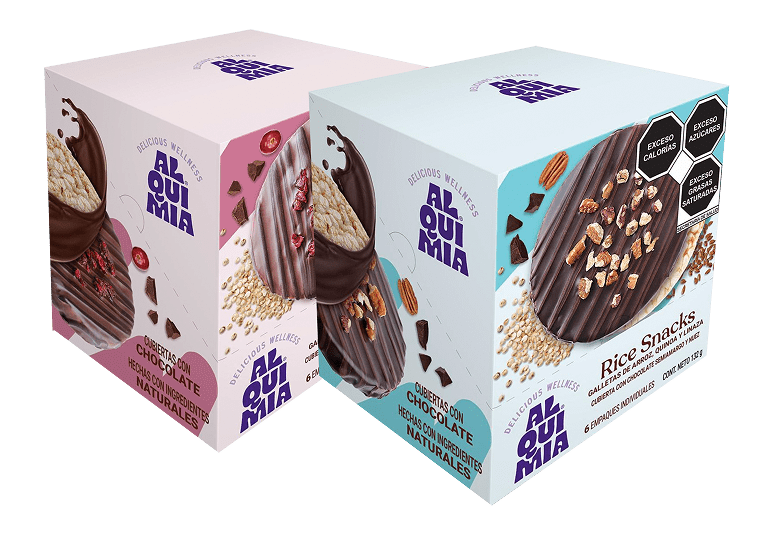
Alquimia’s baked rice snacks are formulated around exactly this logic real ingredients, no added oils, no artificial preservatives available in portions designed to hit that 100 – 200 calorie sweet spot without the sugar crash.
Should You Snack When Trying to Lose Weight?
Yes, strategically. Here’s the framework that works:
- Snack with purpose, not boredom. Ask yourself: am I actually hungry, or just bored/stressed? Emotional snacking adds calories without solving the root issue.
- Timing matters. A mid-morning snack (around 10–11am) or an afternoon snack (around 3–4pm) can prevent energy crashes and reduce the risk of overeating at lunch or dinner.
- Pair macros. Protein + fiber is the winning combo. It slows gastric emptying, meaning you stay full longer.
- Keep it under 200 calories. This fits into any calorie-controlled plan without derailing your deficit.
68% of successful dieters in a 2024 study reported using planned snacks as part of their weight management strategy. The snack wasn’t the problem, the snack choice was.
Snacking Mistakes That Are Slowing Down Your Weight Loss
Avoid these if you’re serious about results:
- Choosing ‘diet’ or ‘low-fat’ snacks loaded with added sugar to compensate for flavor.
- Ignoring portion sizes even healthy snacks can add up if you eat from the bag.
- Snacking out of habit or stress, not genuine hunger.
- Late-night snacking regularly research links it to poorer body composition outcomes.
- Picking snacks with high-fructose corn syrup, partially hydrogenated oils, or artificial colorings these are red flags on any label.
Rule of thumb: if the ingredient list reads like a chemistry exam, put it back.
FAQs
What is a good snack under 100 calories?
Great options under 100 calories include a small handful of almonds (~80 cal), a piece of whole fruit, or a portion-controlled baked rice snack. The key is choosing something with protein or fiber not just low calories. A 60-calorie rice cake with zero fiber won’t hold you the way a nutrient-dense 90-calorie baked snack will.
Should you snack when trying to lose weight?
Yes, when done intentionally. Strategic snacking planned, portioned, and nutrient-dense helps manage hunger hormones and prevents overeating at meals. The 2024 – 2025 dietary research confirms it’s not about whether you snack, but what you choose and when.
Do healthy snacks speed up metabolism?
Not directly no food “boosts” metabolism in a clinically significant way despite what you see online. However, high-protein snacks do increase the thermic effect of food (your body burns more calories digesting protein than carbs or fat). Consistent, nutritious snacking also helps maintain stable blood sugar, which supports sustained energy and reduces the likelihood of metabolic dips caused by long gaps between meals.