Vegan Snacks: The Best Plant-Based Options to Fuel Your Day
“Plant-based” has become one of the most overused claims in the snack aisle. The label shows up on products that genuinely deliver and on others where the animal-derived ingredient is just buried a few lines down in the ingredient list.
The difference matters more than most people realize. Whey, gelatin, carmine, shellac: these show up in snacks that look completely vegan on the front of the pack. Knowing what to look for is the only reliable filter 🔍.
This guide covers what actually makes a snack vegan, which ingredients to watch for, and how to tell whether a plant-based option is genuinely nutritious including some of what we do at Alquimia Food.
What Makes a Snack 100% Vegan? Ingredients to Watch Out For
A snack is vegan when it contains no animal-derived ingredients at all not just “no meat.” That’s where things get tricky, because many packaged snacks that look plant-based can still hide ingredients of animal origin under unfamiliar names in the fine print.
These are the ones that appear most often:
Whey and casein: milk proteins that can appear in crackers, protein bars, and even some “non-dairy” products.
Gelatin: an animal-derived ingredient used in gummies, marshmallows, and some fruit snacks.
Honey: a natural sweetener, but still animal-derived.
Carmine or cochineal extract: a red colorant made from insects, sometimes found in candies and beverages.
Shellac or confectioner’s glaze: a shiny coating used on some sweets, also derived from insects.
Lecithin: usually soy or sunflower-based, but it can also be egg-derived, so it’s worth checking the source if it’s not specified.
The golden rule: always trust the ingredient list over the front-of-pack claim. Terms like “plant-based” are often used as marketing language and do not always guarantee a fully vegan product, while a certified vegan label follows stricter standards. When in doubt, check the full ingredient list and look for clear sourcing information.
The Best Store-Bought Vegan Snacks Available in the US Right Now
The plant-based snack market in the US continues to grow, and so does the gap between products that genuinely deliver and ones that just look the part.
For crunch and portability: Roasted chickpea snacks like Hippeas combine plant-based protein and fiber in a portable format. Nut and seed mixes almonds, cashews, walnuts, pumpkin seeds work on the same principle: whole ingredients, no processing required.
For chocolate lovers: Dark chocolate-covered nuts 🍫 keep the ingredient list short while combining the antioxidants in cacao with the healthy fats in nuts. Hu Chocolate is a consistent option in this category.
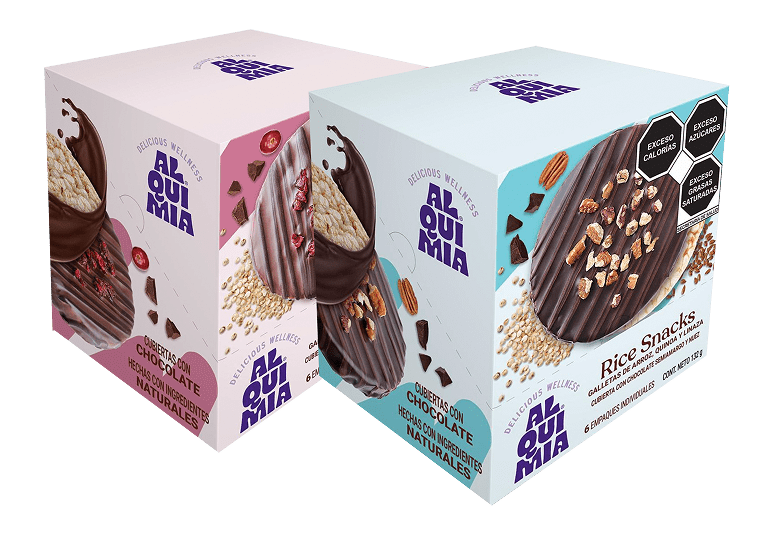
For something built around a clearer standard: some brands start from the ingredient and work outward rather than starting from a trend and finding ingredients to match it. That’s the logic behind the Alquimia Food, where gluten-free, no-added-sugar, and keto aren’t claims added at the end, but the result of what goes in from the start
How to Make Sure Your Vegan Snacks Are Actually Nutritious
Not all plant-based snacks are created equal. A bag of potato chips is technically vegan, but that doesn’t automatically make it a smart choice for your body.
Look for the trio: protein + fiber + healthy fat. This combination helps slow digestion, supports more stable energy levels⚡, and keeps you satisfied until your next meal. If a snack is mostly refined carbs, it may give you a quick boost followed by an energy crash. If you want to understand how snacking actually affects fat loss, here’s what the science says.
Pay attention to the processing level. Minimally processed, whole-food snacks like nuts, seeds, and baked whole grains 🌿 tend to keep more of their natural nutrients. Heavily processed snacks often lose nutritional value and may come with extra sodium, sugar, or additives.
Check serving sizes carefully. Packaged snacks can look impressive on the label, but sometimes the nutrition numbers are based on a very small serving. Always read the full label before deciding whether it really fits your needs.
Prioritize ingredients you recognize. If the list looks overly long or overly technical, that’s usually a sign to pause.
FAQs: Your Vegan Snacking Questions, Answered
Are All Plant-Based Snacks Automatically Healthy?
No and this is one of the most common misconceptions in the wellness space. “Plant-based” describes the source of ingredients, not their nutritional quality. Oreos are technically vegan. So are many heavily processed chips, sugary granola bars, and refined crackers. A truly nutritious vegan snack is one that delivers protein, fiber, and micronutrients not just the absence of animal products. Always check the full nutrition label, not just the front-of-pack claim.
What Vegan Snacks Are High in Protein?
Some of the best high-protein vegan snack options include edamame, roasted chickpeas, nuts, nut butters, and pumpkin seeds. For packaged snacks, look for bars made with pea protein, brown rice protein, or hemp seeds, which can provide around 10 – 20g of protein per serving.
Can You Get Enough Energy From Vegan Snacks Alone?
Vegan snacks can absolutely support sustained energy but only if they’re built with the right balance of nutrients. A snack high in simple carbs alone will give you a quick spike followed by a crash. The key is pairing carbohydrates with protein and healthy fats: think walnuts with dark chocolate, almond butter on a rice cake, or roasted chickpeas with a handful of seeds. That combination helps keep your energy steadier for longer.
The bottom line
The vegan label on a snack tells you what’s not in it. It doesn’t tell you whether what’s actually in it is worth eating.
The products that hold up are the ones built around whole ingredients with a short list and a clear nutritional purpose ✅.
References
- The Nutrition Facts Label
https://www.fda.gov/food/nutrition-education-resources-materials/nutrition-facts-label - Plant-Based Food: From Nutritional Value to Health Benefits
https://pmc.ncbi.nlm.nih.gov/articles/PMC11593942/ - Consistency in clinical practice guidelines: Eat more plant foods
https://lifestylemedicine.org/consistency-in-clinical-practice-guidelines/ - Vegetarian Diets | WIC Works Resource System – USDA
https://wicworks.fns.usda.gov/resources/vegetarian-diets - What is a plant-based diet? – AARP
https://www.aarp.org/espanol/salud/vida-saludable/info-2023/dieta-a-base-de-plantas.html - Labeling of Plant-Based Alternatives to Animal-Derived Foods – FDA
https://www.fda.gov/regulatory-information/search-fda-guidance-documents/draft-guidance-industry-labeling-plant-based-alternatives-animal-derived-foods